
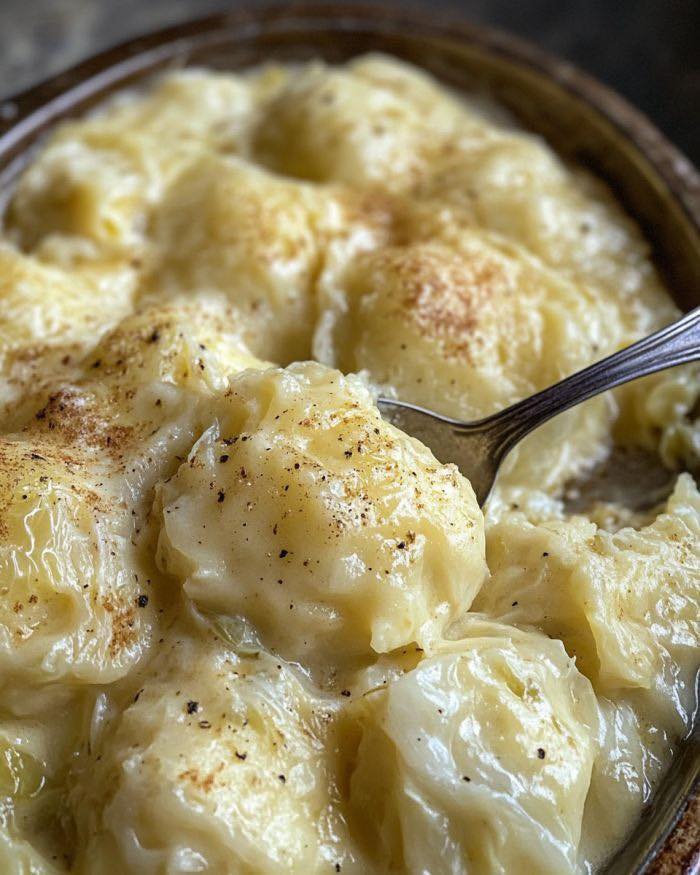
German Cabbage and Dumplings is not just a meal; it’s a warm, hearty embrace from the heart of European home cooking. This iconic combination typically features Kohlrouladen—tender cabbage leaves stuffed with a savory spiced meat filling, slowly braised in a rich gravy—alongside Kartoffelknödel (potato dumplings), soft, pillowy spheres that perfectly soak up the delicious sauce. Together, they create a deeply satisfying balance of flavors and textures, representing the essence of German Gemütlichkeit (coziness). It’s a celebratory yet everyday dish, perfect for Sunday dinners and festive gatherings alike.
The Soul of the Dish: Understanding the Components
The harmony of this dish lies in the contrast between its two main elements. Kohlrouladen (Cabbage Rolls) are a masterpiece of resourceful cooking. Tough outer savoy or white cabbage leaves are blanched to become pliable envelopes for a filling traditionally made from a mix of ground pork and beef, rice, onions, and spices like marjoram and paprika. The long, slow braise in a broth-based gravy transforms the cabbage into a melt-in-your-mouth wrapper and allows the flavors to marry beautifully.
Kartoffelknödel (Potato Dumplings)provide the comforting, starchy counterpart. Made from a mix of riced cooked potatoes and raw grated potatoes (or potato starch), they have a unique texture—dense yet light, with a slight chew. They are not seasoned aggressively, which makes them the perfect neutral vehicle for the rich gravy from the cabbage rolls. Their preparation is a skill passed down through generations, requiring a feel for the dough to ensure they hold together while cooking yet remain tender inside.
The Complete Recipe: German Cabbage and Dumplings
Prep Time: 1 hour | Cook Time: 1 hour 45 minutes | Total Time: 2 hours 45 minutes | Servings: 6
Part 1: Kohlrouladen (Stuffed Cabbage Rolls)
Ingredients:
-
1 large head Savoy or white cabbage (about 3 lbs)
-
1 lb ground beef (or a 50/50 mix of ground beef and pork)
-
1 cup cooked white rice, cooled
-
1 medium yellow onion, finely diced
-
2 cloves garlic, minced
-
1 large egg
-
2 tbsp chopped fresh parsley
-
1 tsp sweet paprika
-
½ tsp dried marjoram
-
Salt and black pepper
-
4 slices bacon, diced
-
1 large carrot, diced
-
1 celery stalk, diced
-
2 cups beef broth
-
1 cup tomato sauce or crushed tomatoes
-
2 tbsp all-purpose flour (for gravy)
Instructions:
-
Prepare the Cabbage Leaves: Bring a large pot of salted water to a boil. Carefully remove the core from the cabbage. Submerge the whole head in boiling water for 3-4 minutes. As the outer leaves soften, carefully peel them off with tongs. Return the cabbage to the water to soften more inner leaves. You’ll need about 12 large leaves. Trim the thick rib from the bottom of each leaf to make rolling easier.
-
Make the Filling: In a large bowl, combine ground meat, cooked rice, onion, garlic, egg, parsley, paprika, marjoram, 1 tsp salt, and ½ tsp pepper. Mix gently with your hands until just combined.
-
Assemble the Rolls: Place a cabbage leaf on a work surface. Add about ¼ cup of filling near the base. Fold the sides over the filling, then roll up tightly from the bottom to form a neat parcel. Secure with kitchen twine or a toothpick. Repeat.
-
Sear and Braise: In a large Dutch oven, cook the diced bacon over medium heat until crispy. Remove bacon, leaving the fat. Brown the cabbage rolls in the bacon fat on all sides. Remove rolls.
-
Make the Braising Base: In the same pot, sauté the carrot and celery until softened. Sprinkle with flour and cook for 1 minute. Gradually whisk in the beef broth and tomato sauce, scraping up any browned bits. Bring to a simmer.
-
Cook: Return the cabbage rolls and bacon to the pot. The sauce should come about halfway up the rolls. Cover, reduce heat to low, and simmer gently for 1 hour 15 minutes, until the cabbage is very tender and the filling is cooked through.
Part 2: Kartoffelknödel (Potato Dumplings)
Ingredients:
-
2 lbs starchy potatoes (like Russets), peeled
-
1 tsp salt
-
⅔ cup all-purpose flour or semolina flour, plus more for dusting
-
1 large egg
-
Pinch of nutmeg (optional)
-
2-3 slices of stale white bread, cubed and pan-toasted in butter (for Semmelknödel variation)
Instructions:
-
Prepare the Potatoes: Boil half the potatoes until tender. Drain, rice them, and spread on a tray to cool completely. Grate the remaining raw potatoes on the fine side of a box grater. Place the grated potatoes in a clean kitchen towel and squeeze tightly to wring out as much liquid as possible.
-
Make the Dough: In a large bowl, combine the cooled riced potatoes, the squeezed grated potatoes, salt, flour, egg, and nutmeg. Mix gently with your hands until a soft, slightly sticky dough forms. It should hold together when pressed. Do not overwork.
-
Form the Knödel: With floured hands, roll the dough into golf ball-sized balls (about 2 inches in diameter). If making Semmelknödel, press a few toasted bread cubes into the center of each ball as you form it.
-
Cook: Bring a large pot of generously salted water to a very gentle simmer(not a rolling boil). Carefully drop in the dumplings. They will sink initially. Simmer for 15-20 minutes. They are done when they float to the surface and have been floating for 2-3 minutes.
-
Remove: Use a slotted spoon to remove the dumplings. Drain briefly on a clean kitchen towel.
Pro Tips for Authentic Results
-
Cabbage Choice: Savoy cabbage is preferred for its more tender, pliable leaves and delicate flavor compared to standard green cabbage.
-
Potato Texture: The key to perfect Kartoffelknödel is removing moisture. Letting the cooked potatoes cool completely and squeezing the raw potatoes extremely dry are non-negotiable steps to prevent gummy dumplings.
-
The Gentle Simmer: Cooking the dumplings in aggressively boiling water will cause them to disintegrate. Maintain a low, steady simmer.
-
Serving Tradition: Serve the cabbage rolls nestled next to or on top of the dumplings, with plenty of gravy spooned over everything. A side of tangy red cabbage (Rotkohl) is a classic accompaniment.
-
Make-Ahead: Both components reheat very well. The cabbage rolls often taste better the next day. Reheat gently in the gravy on the stovetop. Dumplings can be steamed or briefly microwaved with a splash of water.
Conclusion: A Dish That Feeds the Soul
German Cabbage and Dumplings is a labor of love that pays immense dividends in flavor and comfort. It connects the cook to a rich tradition of Hausmannskost (home cooking) where time, care, and simple ingredients are combined to create something truly special and profoundly nourishing. Mastering this dish is a rewarding journey into the heart of German culinary heritage, resulting in a meal that is as memorable to make as it is to share around the family table.